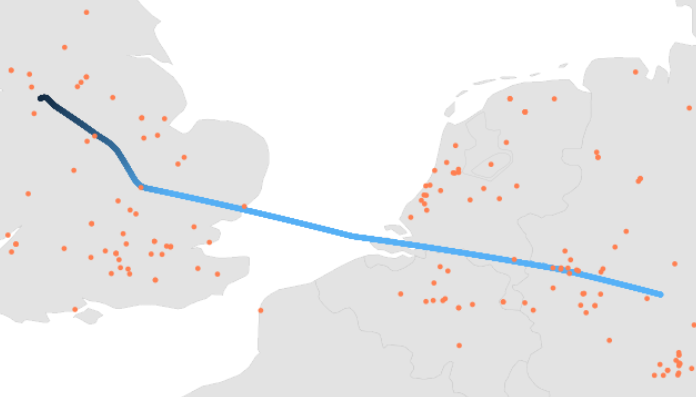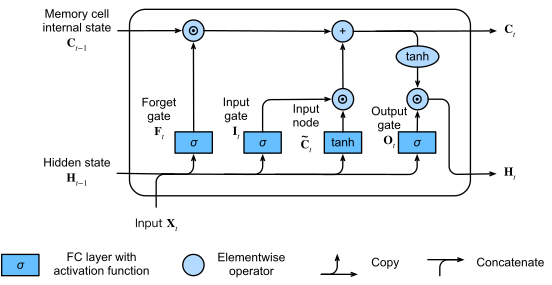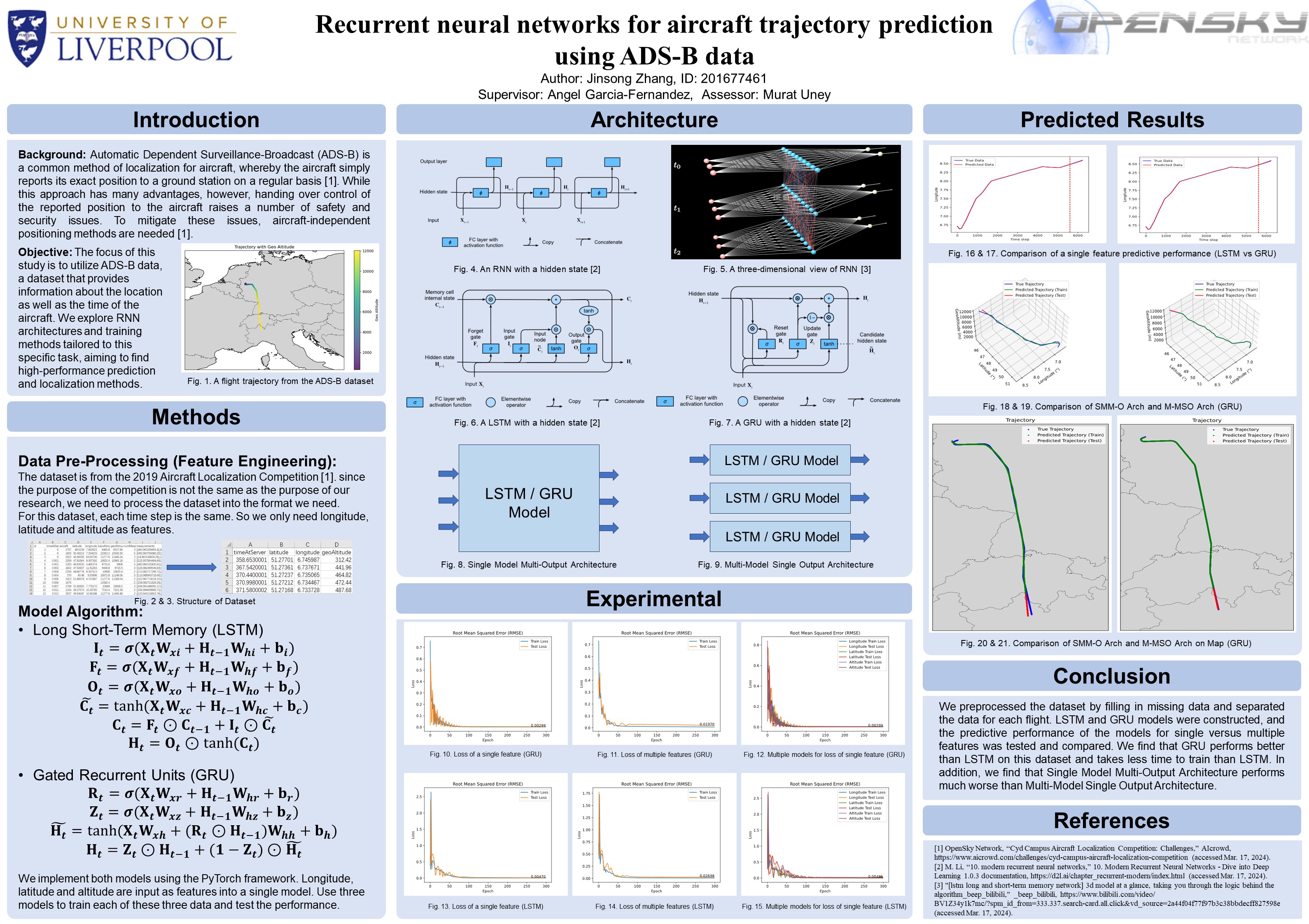
This project will make use of recurrent neural networks, such as long short term memory (LSTM) and gated recurrent units (GRU) to predict aircraft trajectories using Automatic Dependent Surveillance Broadcast (ADS-B) data, collected by a network of sensors around Europe.
This project implements two types of recurrent neural networks, Long Short-Term Memory (LSTM) and Gated Recurrent Unit (GRU), using the PyTorch framework. These models are utilized to train on aircraft trajectory data for the purpose of aircraft trajectory prediction.
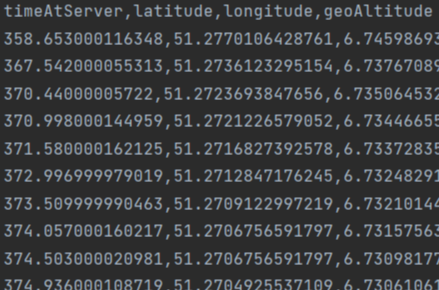
Our dataset is based on the Aircraft Localization Competition dataset. Their dataset aims to fill in missing timestamp data, whereas our goal is to utilize complete trajectory data for model training. Therefore, we need to preprocess the dataset, including tasks such as data point completion, data cleaning, and data organization.
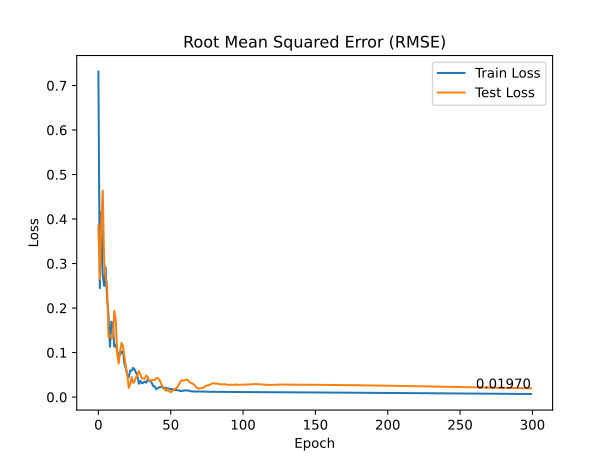
In the end, we utilized LSTM and GRU models to achieve aircraft trajectory prediction and evaluated the performance of these two models. Regarding the models, we simultaneously implemented single-feature input-output models and multi-feature input-output models. As for the loss function and optimizer, we employed Mean Squared Error (MSE) and Adam optimizer. However, for convenience in evaluation, we converted MSE to Root Mean Squared Error (RMSE) for outputting the loss.
Throughout my academic journey, I had the privilege of working closely with my Final Year Project (FYP) supervisor, Dr. Angel Garcia-Fernandez.